
The Frustrations and Lessons of Gardening
Dealing with extremes in weather, weeds, and blossom end rot — every setback in the garden is an opportunity to learn.
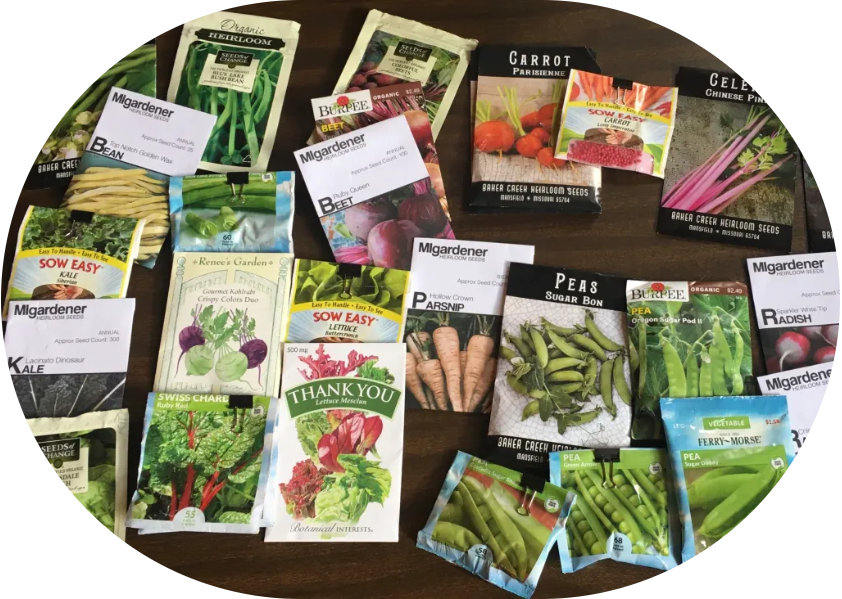
Most of the time I feel like I have no business diving this deep into the gardening world, and calling myself a Gardener. I have even less right talking to others about it, as if I actually know what I am doing. To be honest, I question myself on a regular basis and, all too often, I am reminded that I have many more questions than I have answers. The struggle is real, and this year the struggle is nonstop.
I started this growing season with unbelievable confidence and dreams of the most perfect garden. I would plant all my plants, love and care for them and, in turn, they would shower me with all the fruit I could eat. Things haven’t quite gone as planned. I have yet to get a harvest but, I have been getting more weeds than I can keep up with and grass that wants to take back the areas I plowed and expanded the gardening space. Yet, as frustrating as that is, it really is the least of my worries.
The weather this year has been one of extremes and it has played a big part in my gardening woes. I live in an area that went from frost to an unseasonably hot heat wave that contributed to the loss of my earliest crops; I have since learned. I had no idea heat could actually be bad for crops. Now I know and, moving forward, certain plants like broccoli, spinach and carrots will be saved for the autumn garden.
This was how the season started and, for the most part, how it has continued to go. The early season heat wave was followed up by more rain than I could ever want. In other words, too much rain. Yes, I know, the rain is good for the garden (or so I was reminded by well meaning people) but, there’s also a such thing as overwatering and my plants have definitely had long stretches of overwatering and no time for the plants to dry. This comes with a whole new set of problems. Plant growth, and production of fruit, has been slowed. I have never been heavy handed with the pruners on my tomatoes but this year I have been pruning several times a week due to an overabundance of yellow leaves and early blight. And the zucchini is starting to get hit by powdery mildew.
In between the storms and downpours, the heat is unbearable. This not only affects the garden, but the gardener. Countless hours have been lost to high heat, scorching sun, and poor air quality. All projects and necessary upkeep have to be carefully planned, prioritized and carried out. On a good day, there are a few hours in the early morning and a few hours in late afternoon or evening where I’ve been able to get out and safely get done what needs to be done. I am thankful, but I am rarely getting done everything I wish I could.
I admit that the weather is out of my control, and I shouldn’t blame myself and my inexperience for the issues that come with it, but I feel frustrated that I am not yet knowledgeable in the ways around this. Are there ways around the weather? Seems like that, too, is a question I should be able to answer.
I’ve already covered the battle against the bunnies and their desire for my crops so I won’t get into that here but, yes, it is still a battle I am fighting and I am still finding plants they have had for lunch. But, don’t even get me started on that today. Today’s frustration, and the inspiration for this article, is blossom end rot which, from what I have read, is caused by uneven watering or lack of pollination. I wish I could say I hope this never happens to you, and I truly do hope it never happens to you, and but I know that at some point this will be an issue you will have to deal with.
 Blossom End Rot on Zucchini (early stage) and Crookneck Yellow Squash
I can chalk it up to past beginner’s luck because I have never had this many issues working against me in the past. Or, maybe it was the type of crops I was growing (at least when it came to the bunny issue). Then, there’s the unseasonably dry summer we had last year that made underwatering more of an issue than overwatering. The list goes on but there really is no point in wasting time thinking back that can be better spent looking forward. It’s time to realize that nobody is immune to these common gardening issues, know I am not the only one losing crops and plants, and remember that there is plenty of time this year to work with the garden and all of the information out there to be able to save the plants I have and replace what I have lost.
The moral of the story, every fail and every mistake are opportunities to learn. You live. You learn. You grow. And, if you garden (no matter how many bumps in your road), you are a gardener.